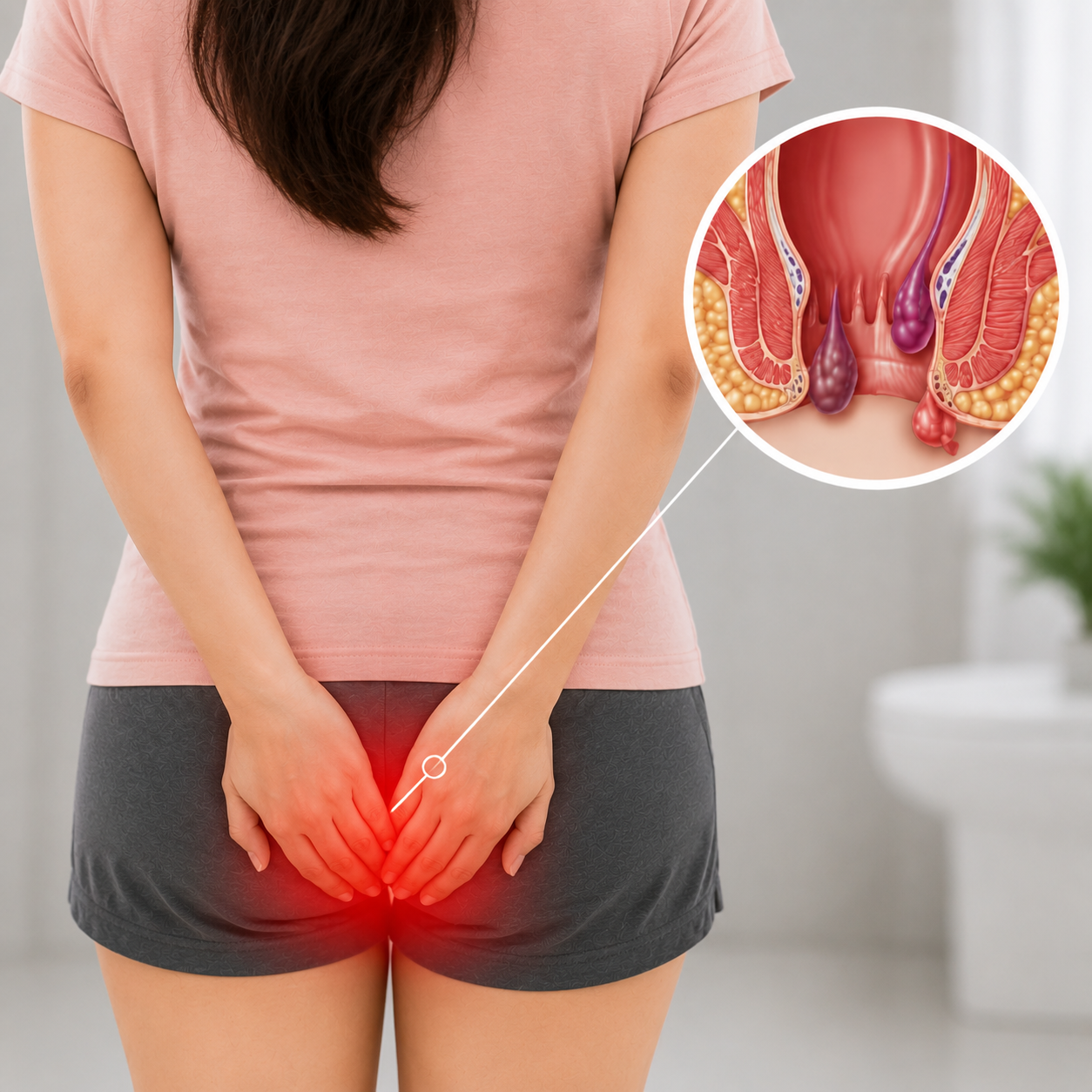
Piles, Fissure & Fistula Treatment
Piles, fissures, and fistulas are common conditions affecting the anal region and can cause discomfort, pain, bleeding, or difficulty during bowel movements. These conditions may occur due to factors such as constipation, straining during bowel movements, infections, or changes in the surrounding tissues.
Although symptoms may seem minor initially, delaying treatment can lead to persistent discomfort and affect daily activities. Proper evaluation helps identify the exact condition and allows your surgeon to recommend the most suitable treatment option.
Understanding Common Anal Conditions
You should consult a surgeon if you experience:
- Bleeding during or after bowel movements
- Pain or burning sensation while passing stools
- Swelling or lumps around the anal area
- Persistent itching or irritation
- Discharge or repeated infection near the anal opening
Diagnosis & Treatment Approach
A detailed examination helps determine whether the condition is piles (haemorrhoids), anal fissure, or fistula. Based on the severity and symptoms, treatment may include lifestyle modifications, medications, minimally invasive procedures, or surgery when required.
Advanced treatment options aim to relieve symptoms, treat the underlying cause, and reduce the chances of recurrence while ensuring patient comfort.
Surgical Management & Recovery
When surgery is recommended, the procedure is performed to provide long-term relief by addressing the affected area. Modern surgical techniques help minimise discomfort and support faster recovery.
Recovery depends on the type of procedure performed and individual healing. With proper post-treatment care and follow-up, most patients can gradually return to their normal routine.
Comprehensive Care by Dr. Aparna Venugopal
Dr. Aparna Venugopal provides personalised evaluation and treatment for piles, fissure, and fistula conditions with a focus on accurate diagnosis, safe surgical care, patient comfort, and better recovery outcomes.